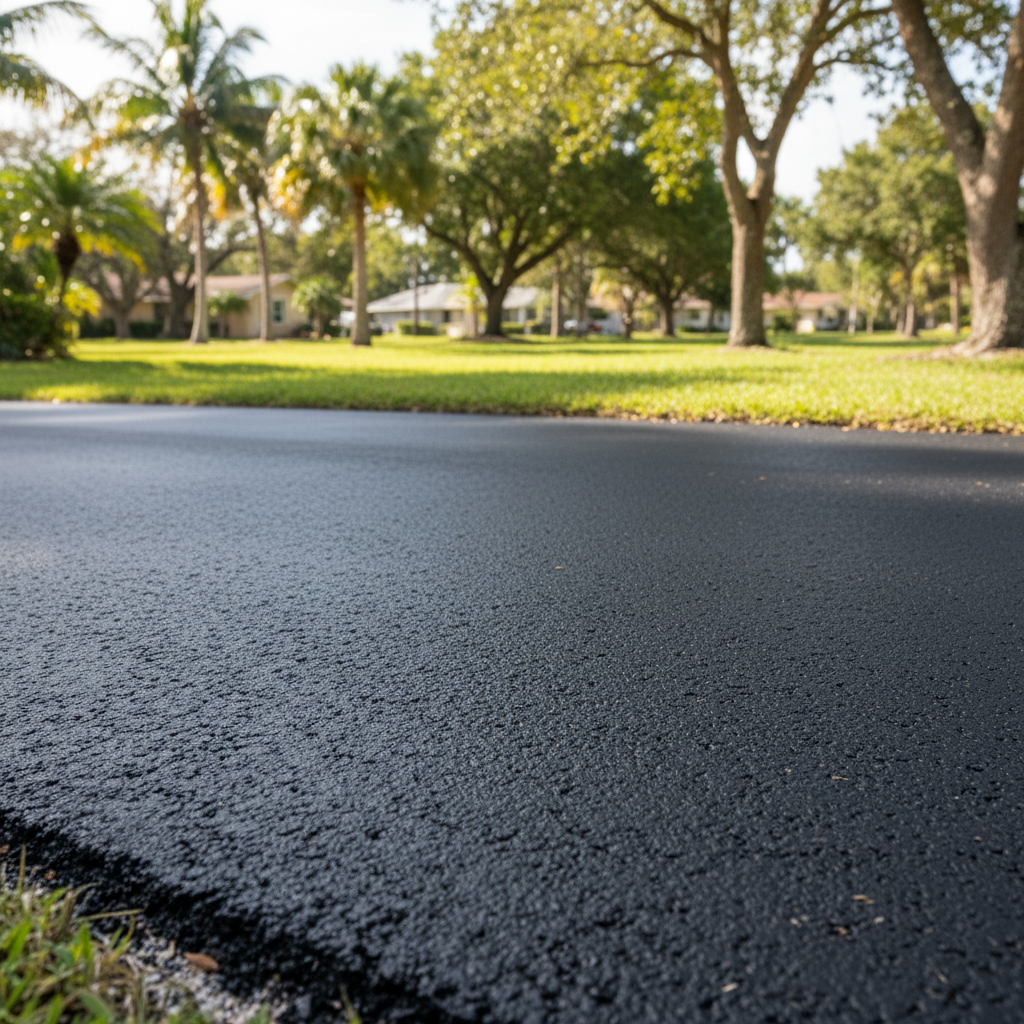
Homeowners in Sunrise, Florida often look at a cracked, sun-baked driveway and wonder what to do to fix it. All Star Asphalt answers many of the same questions for property owners across Sunrise, Florida. The local subtropical climate and shifting sandy soils create a unique set of challenges that standard manuals do not cover. The honest answers needed for Asphalt Contractor work in Sunrise, Florida are detailed below.
Do I really need a permit to pave or replace my driveway in Sunrise?
Yes, a permit is required. Local municipal codes require permits for most major hardscaping and paving updates in Sunrise, Florida. Skipping this step can lead to fines or problems when you try to sell your home down the road. All Star Asphalt handles the permitting process for Asphalt Contractor projects, ensuring your new layout complies with local drainage and right-of-way rules in Sunrise, Florida.
How does the South Florida heat affect my new asphalt?
Extreme heat and heavy UV radiation are hard on asphalt surfaces in Sunrise, Florida. When temperatures soar above 90 degrees day after day, the binder in the asphalt can oxidize rapidly, turning it brittle and faded. Proper mix selection and routine maintenance matter very much for Asphalt Contractor services in Sunrise, Florida. Neglect the surface, and cracking will appear much sooner than it should.
Can you pave right over my old cracked driveway?
Sometimes, but rarely if there is severe structural damage. If your base has failed or you have massive alligator cracking, overlaying the surface is not enough. All Star Asphalt always checks the sub-base first during Asphalt Contractor work in Sunrise, Florida. If the foundation is weak, patching or a complete tear-out is the only way to prevent the new surface from failing within a year.
Why is proper drainage such a big deal on Florida driveways?
Heavy rainfall occurs during the rainy season in Sunrise, Florida, and standing water is a major enemy of asphalt. If your driveway does not slope away from your garage and foundation at a proper 1 to 2 percent grade, water pools and seeps into the sub-base. Once that sandy soil underneath gets saturated, the pavement loses its support and starts sinking.
How long do I have to keep my cars off a fresh asphalt driveway?
Keep vehicles off the surface for 48 to 72 hours, depending on how hot it is outside in Sunrise, Florida. Fresh asphalt takes time to fully cure and harden. Parking a heavy vehicle on the pavement too soon, especially in the middle of a hot Sunrise afternoon, will leave deep tire ruts and depressions that are tough to fix.
How often should I sealcoat my residential asphalt?
Plan on sealcoating every two to three years for asphalt driveways in Sunrise, Florida. Sealcoat acts as sunscreen for your driveway. It locks out moisture, blocks UV rays, and keeps the oil binder flexible. Do not let anyone talk you into sealcoating a brand-new driveway right away; give the material several months to cure first.