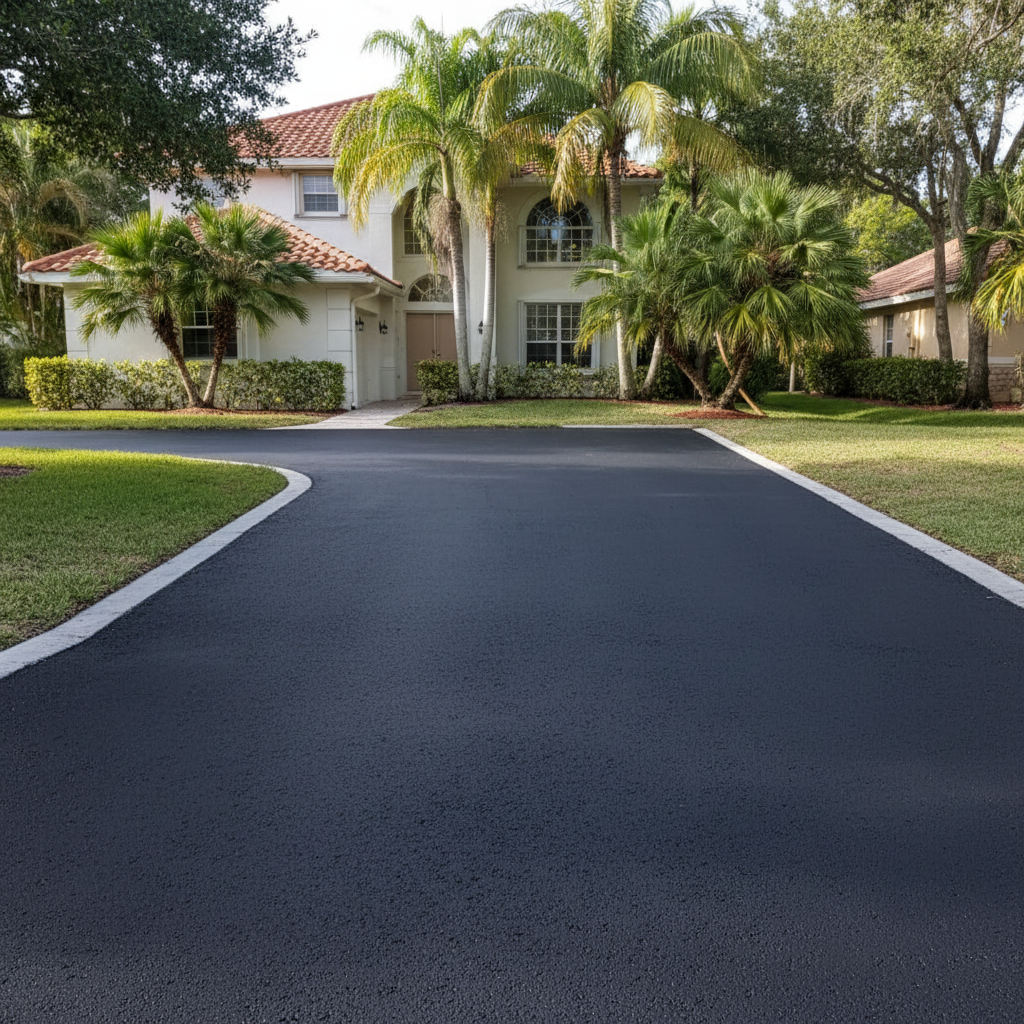
Alright, let's talk about your asphalt. Whether it's your driveway, parking lot, or private road here in Sunrise, you shelled out good money for it. You want it to last, right? Well, just like anything else, it needs a little TLC, especially down here in South Florida where the sun bakes it and the rain tries to wash it away.
Keeping Your Pavement Alive in the Florida Heat
The biggest enemy of asphalt around here isn't just heavy traffic; it's our relentless sun and the constant moisture. UV rays break down the asphalt binder, making it brittle. Then the rain seeps into those tiny cracks, expands, and before you know it, you've got potholes. So, what can you do?
- Sealcoating is King: Think of sealcoating as sunscreen for your asphalt. It's a protective layer that blocks UV rays, stops water from getting in, and even helps resist oil and gas spills. I tell folks around here, especially if you're in a community like Weston Hills or anywhere with a lot of sun exposure, you should be thinking about sealcoating every 2-3 years. It’s a small investment that really pays off in the long run.
- Good Drainage is Crucial: We get some serious downpours here. If water just sits on your asphalt, it's going to cause problems. Make sure your property has good drainage. If you see puddles forming after a rain, that's a red flag. It means water is sitting, seeping, and weakening your pavement. Sometimes it's a simple fix; other times it might mean regrading or adding drains.
- Watch the Weight: Heavy vehicles, especially those big delivery trucks or RVs, really stress asphalt that wasn't designed for them. If you’ve got a residential driveway, try to limit heavy vehicle use. For commercial properties, make sure your paving was designed to handle the expected load.
What Regular Maintenance Looks Like
This isn't rocket science, but it does take a little attention. You don't need to be out there every day, but a quick look-over once a month or so can save you headaches.
- Keep it Clean: Sweep off debris, leaves, and dirt. Organic matter holds moisture against the asphalt, which isn't good. Plus, sharp gravel or stones can get ground into the surface by tires, creating small imperfections.
- Clean Spills Immediately: Oil, gas, and other chemicals are asphalt killers. They dissolve the binder, leaving soft spots. If you see a spill, clean it up right away with an absorbent material and then wash the area.
- Trim Overhanging Branches: This might sound a little odd, but shade helps. Areas constantly exposed to sun will degrade faster. If you've got trees, let them do their job and provide some cover.
Warning Signs You Can't Ignore
Your asphalt will tell you when it's hurting. You just need to know what to look for. Catching these early can prevent a small repair from turning into a full-blown repaving job.
- Cracks: These are the most common ones.
- Hairline cracks: These are tiny, often the first sign of aging. Get them sealed.
- Alligator cracking: This looks like alligator skin, a network of interconnected cracks. This usually means the base layer is failing, or the asphalt is severely degraded. This is a serious problem, no kidding.
- Edge cracks: Cracks along the edges of your pavement often mean the support underneath isn't good, or water is getting in from the sides.
- Potholes: These are open holes in the pavement. They start small, usually from a crack that wasn't sealed, allowing water to get in and erode the base. Once you see one, it'll grow fast, especially after a good Florida rain.
- Fading or Discoloration: If your asphalt is looking grey instead of black, it means the surface has oxidized from sun exposure. This is a sign it's drying out and becoming brittle, making it more susceptible to cracking.
- Raveling: This is when the aggregate (the small stones) starts to come loose from the asphalt binder, giving the surface a rough, grainy texture. It means the binder is failing.
- Standing Water/Poor Drainage: As I mentioned, puddles are bad news. If water isn't draining off your pavement, it's going to find its way in.
When to Call a Pro (Like All Star Asphalt)
Look, some things you can handle yourself, like sweeping or cleaning a small spill. But when it comes to the bigger stuff, you really need someone who knows what they're doing. Here's when to pick up the phone:
- Any Cracks Wider Than a Quarter: Small hairline cracks you might be able to seal yourself with a store-bought product, but anything wider needs professional attention. We've got the right materials and techniques to ensure a lasting seal.
- Alligator Cracking: This is beyond a DIY fix. It requires understanding the underlying cause, which could be a base failure. We'll need to assess if it's a patch job or if a larger section needs to be removed and replaced.
- Potholes: While you can buy cold patch at the hardware store, it's usually a temporary fix. For a durable repair that won't just pop out after the next heavy rain, you need hot asphalt applied correctly, compacted, and feathered into the existing pavement.
- Extensive Fading/Raveling: If your entire driveway or parking lot is looking grey and rough, it's time for a professional sealcoat or even an overlay if the damage is deeper.
- Drainage Issues: If you've got standing water that isn't going away, don't just hope it dries up. It's actively damaging your pavement. We can assess the grading and recommend solutions.
- Anytime You're Unsure: Honestly, if you're looking at something and thinking,